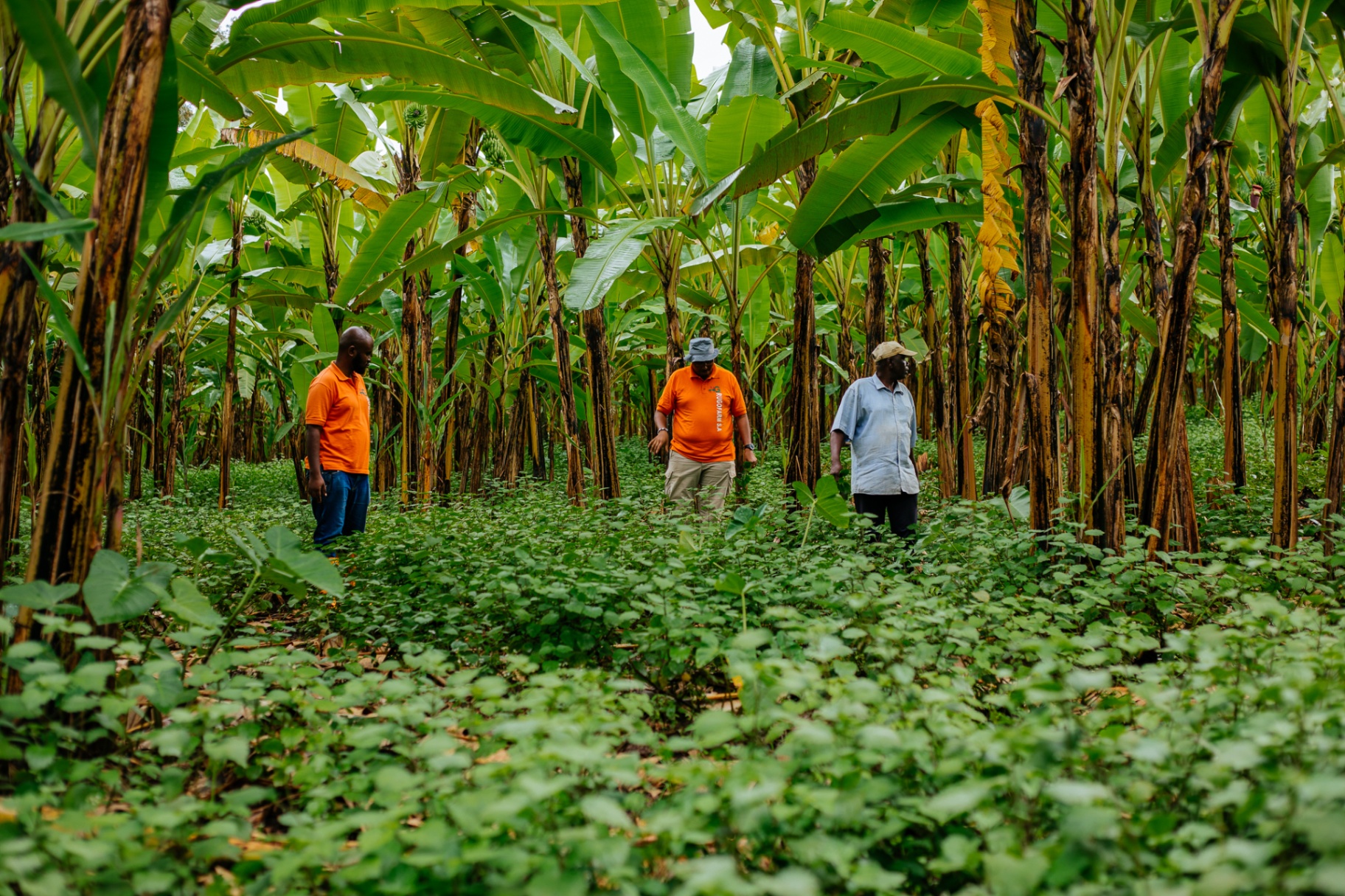
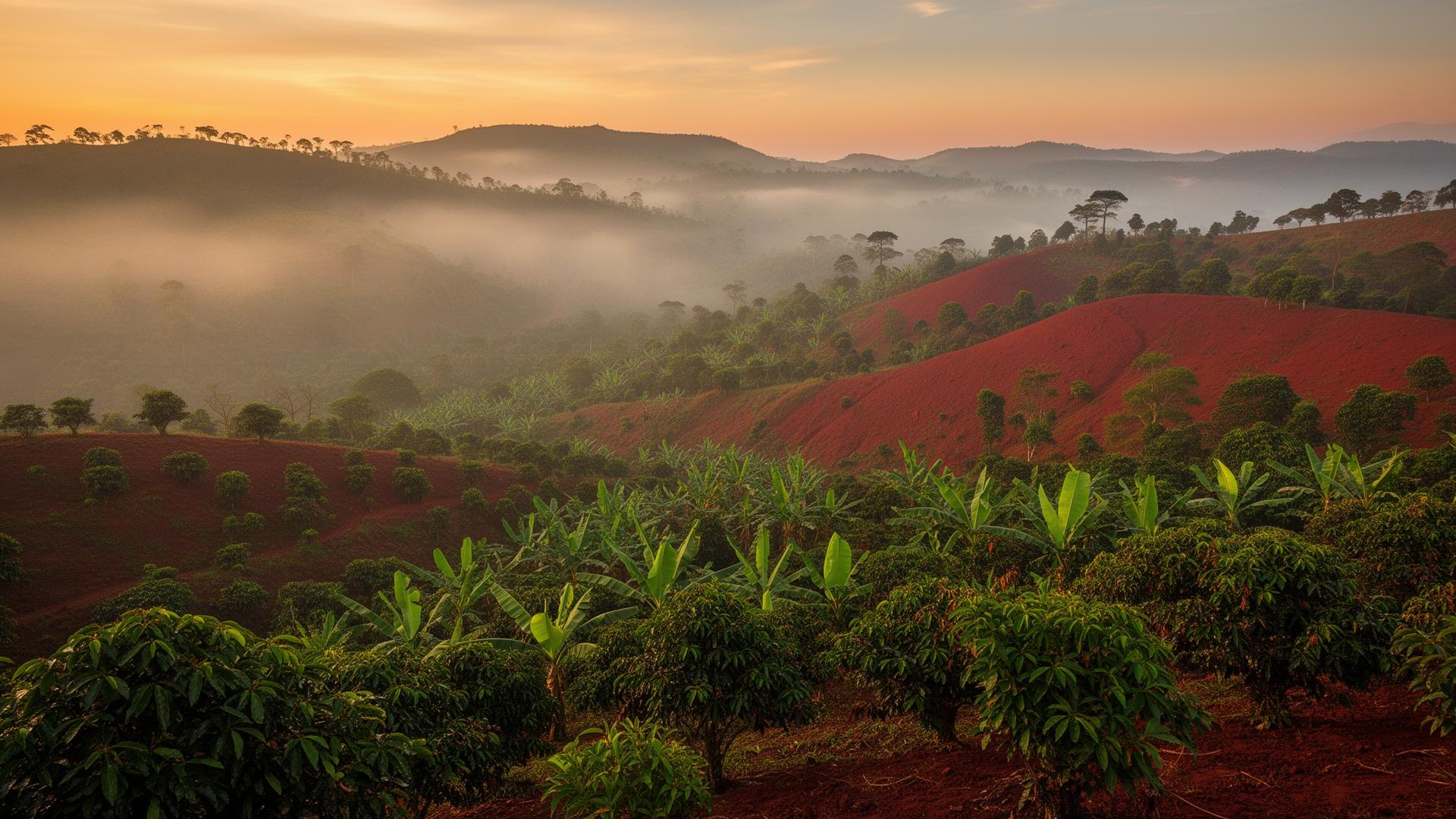
Placeholder — patchouli fields under banana trees in Cibitoke, Burundi

RUGOFARM BURUNDI

Patchouli from Burundi.
An origin you can trust.
An impact you can trace.

Fair For Life certified Patchouli Oil, 
grown by 1,170 smallholder farmers in Burundi.

I.THE ORIGIN

Grown in the Shade
of Banana Trees

Burundi is a small country of extraordinary contrasts. The Rusizi plains and the shores of Lake Tanganyika stretch out to the west. To the east, the Congo-Nile crest rises to peaks of 2,500 to 3,000 metres. Between them lie the fertile hills of Cibitoke province, where mountain rainfall meets plains sunshine. Banana groves cover the landscape as far as the eye can see. In their shade, patchouli, thrives in near-ideal conditions, cared for by local farming families.

It's the combination of climate, altitude, biodiversity, and farming know-how that makes the region so well suited to delivering high quality patchouli oil.
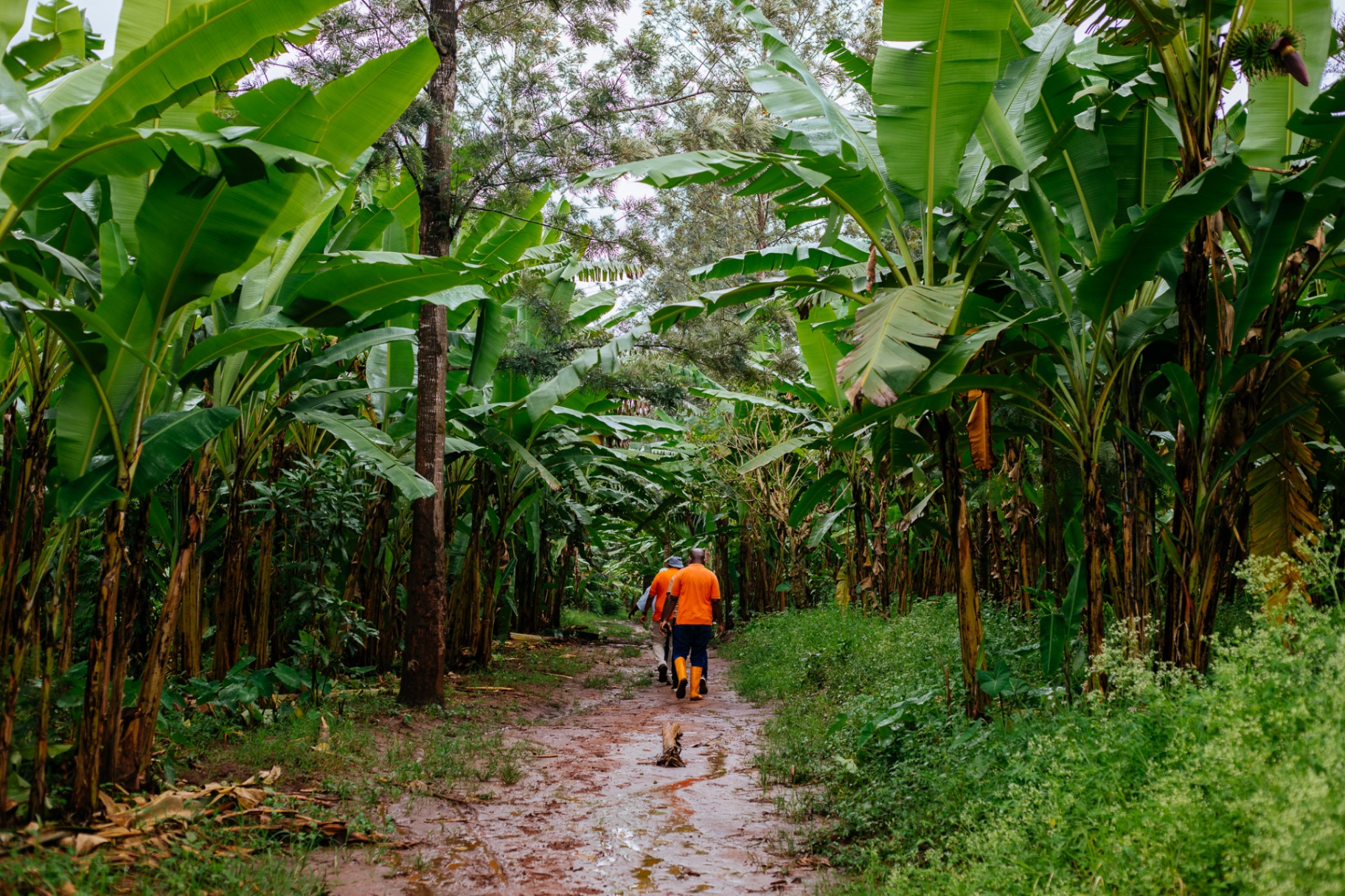
Rugofarm team walking through a patchouli field shaded by banana trees in Cibitoke, Burundi
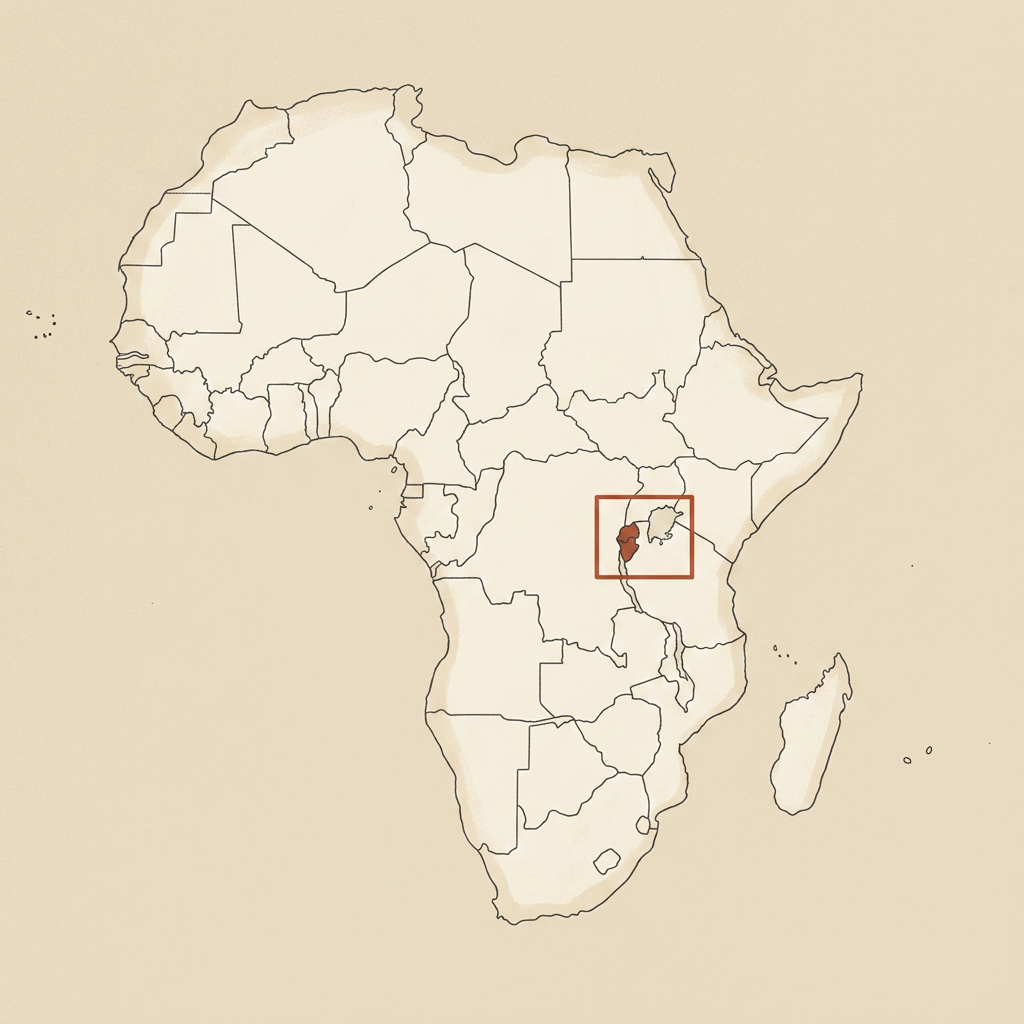
Map of Africa showing Burundi's location between Lake Tanganyika and Lake Victoria
AFRICA
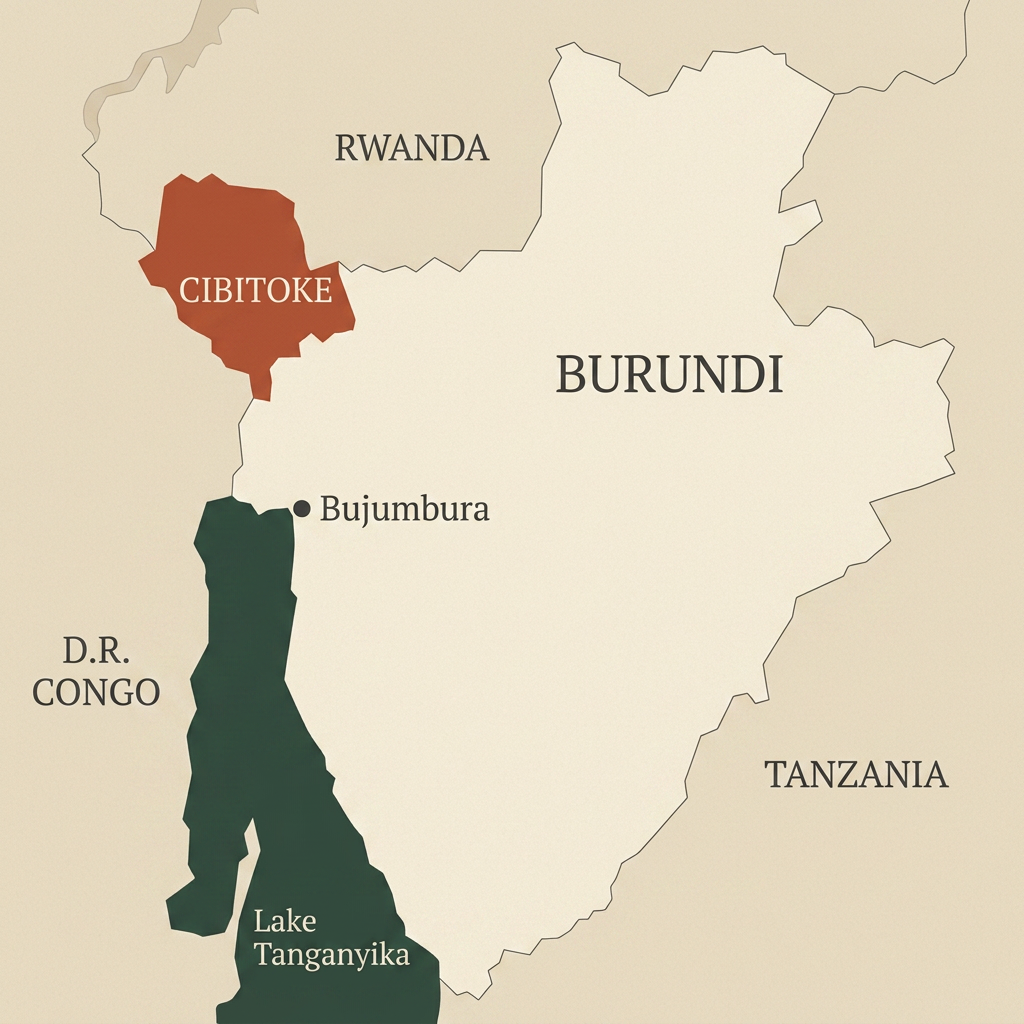
Map of Burundi highlighting Cibitoke province in the north-west, along Lake Tanganyika
BURUNDI
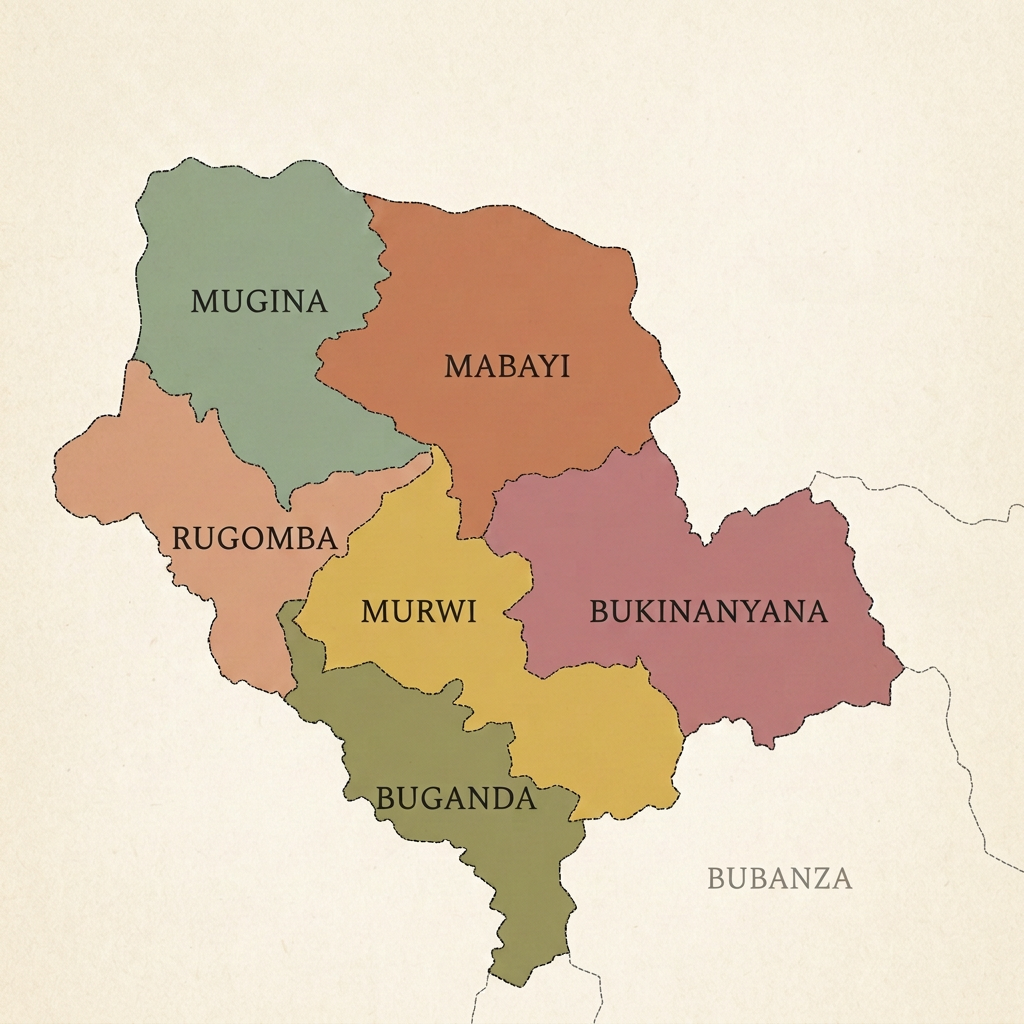
Map of Cibitoke province in Burundi showing its communes: Mugina, Mabayi, Rugombo, Murwi, Bukinanyana, and Buganda
CIBITOKE

Burundi at a glance

Two Rugofarm team members walking along a path through a banana grove in Cibitoke, Burundi

Location

East Africa, Great Lakes region — bordered by Rwanda, Tanzania, and the DR Congo

Population

Around 14.7 million people — one of the most densely populated countries in Africa

Languages

Kirundi, French, English, and Swahili

Economy

Most of the population depends on farming for their livelihood

Landscape & climate

High-altitude plateaus, fertile hills, and an equatorial climate 

Our region

Cibitoke Province, in the northwest, along the fertile central plateaus

II.THE PRODUCT

Our Signature Oil: Patchouli


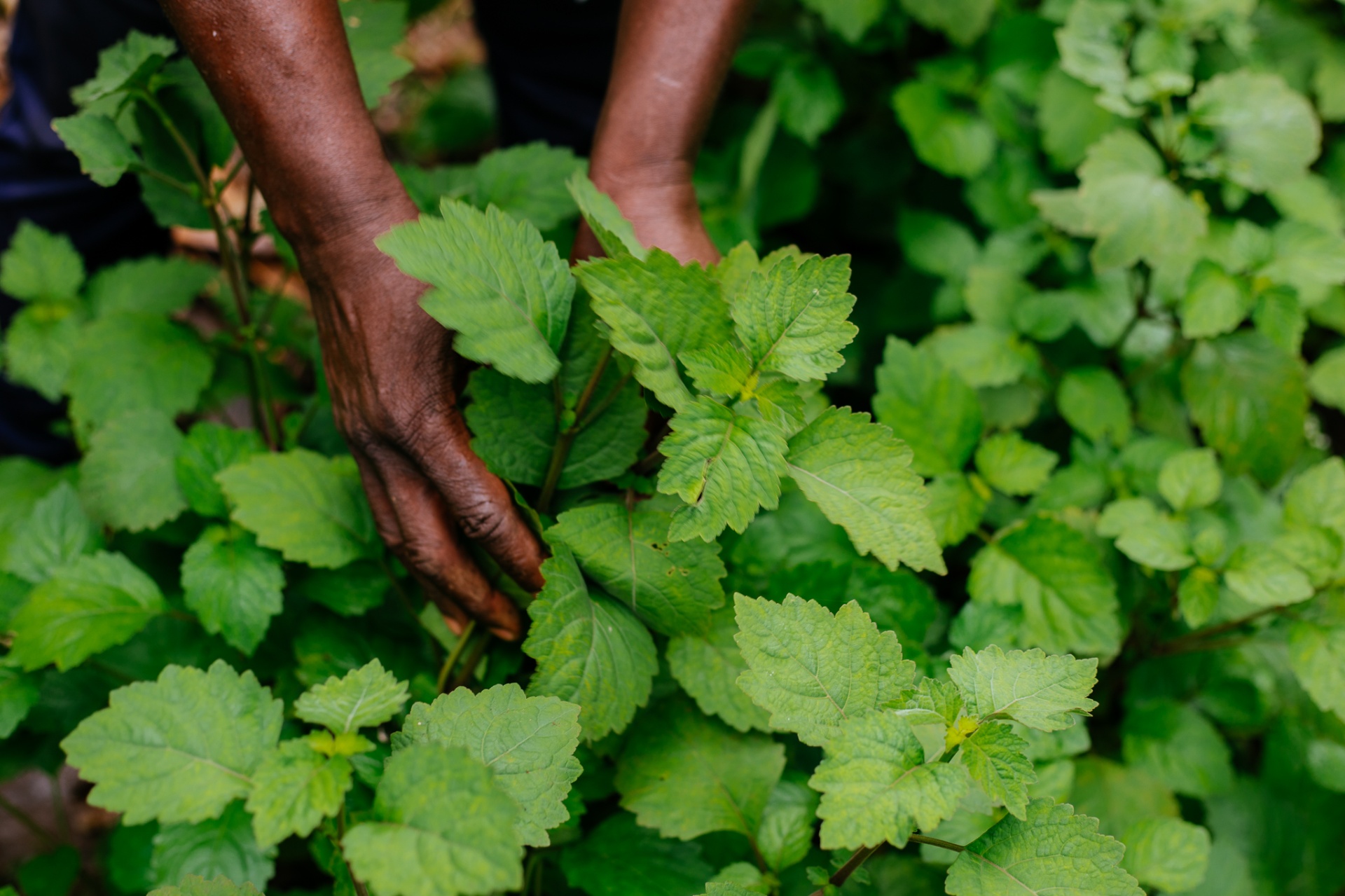
Hands harvesting patchouli leaves in the shade of banana groves in Cibitoke
1. Harvest

Patchouli isn't native to Burundi. In 2001, Rugofarm imported 10,000 cuttings from Indonesia and introduced the plant to Cibitoke's hills for the first time. Today, the leaves are harvested year-round by farming families who tend the crop beneath the shade of the province's banana groves.

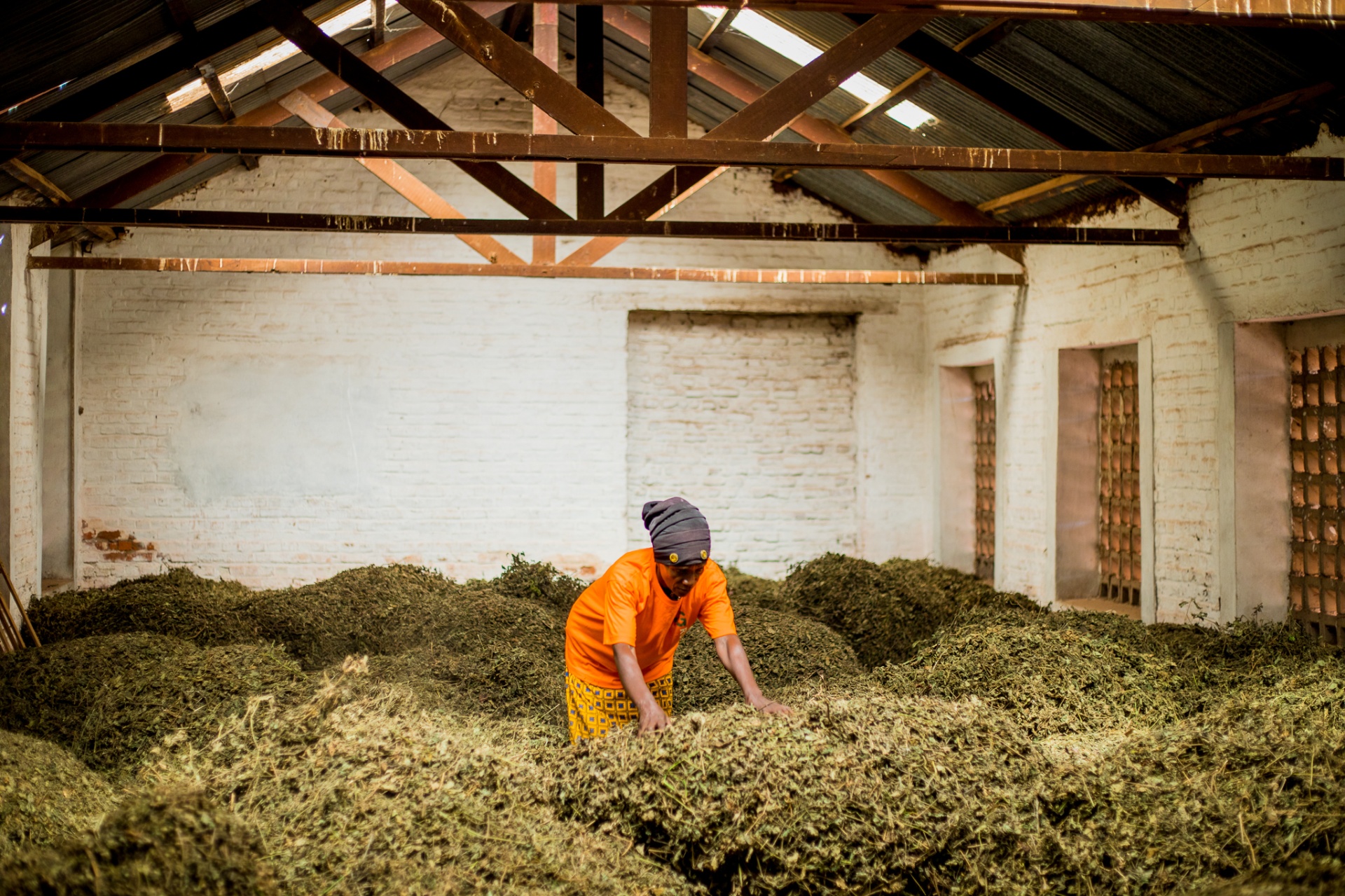
A Rugofarm worker turning patchouli leaves drying inside the facility in Cibitoke
2. Dry

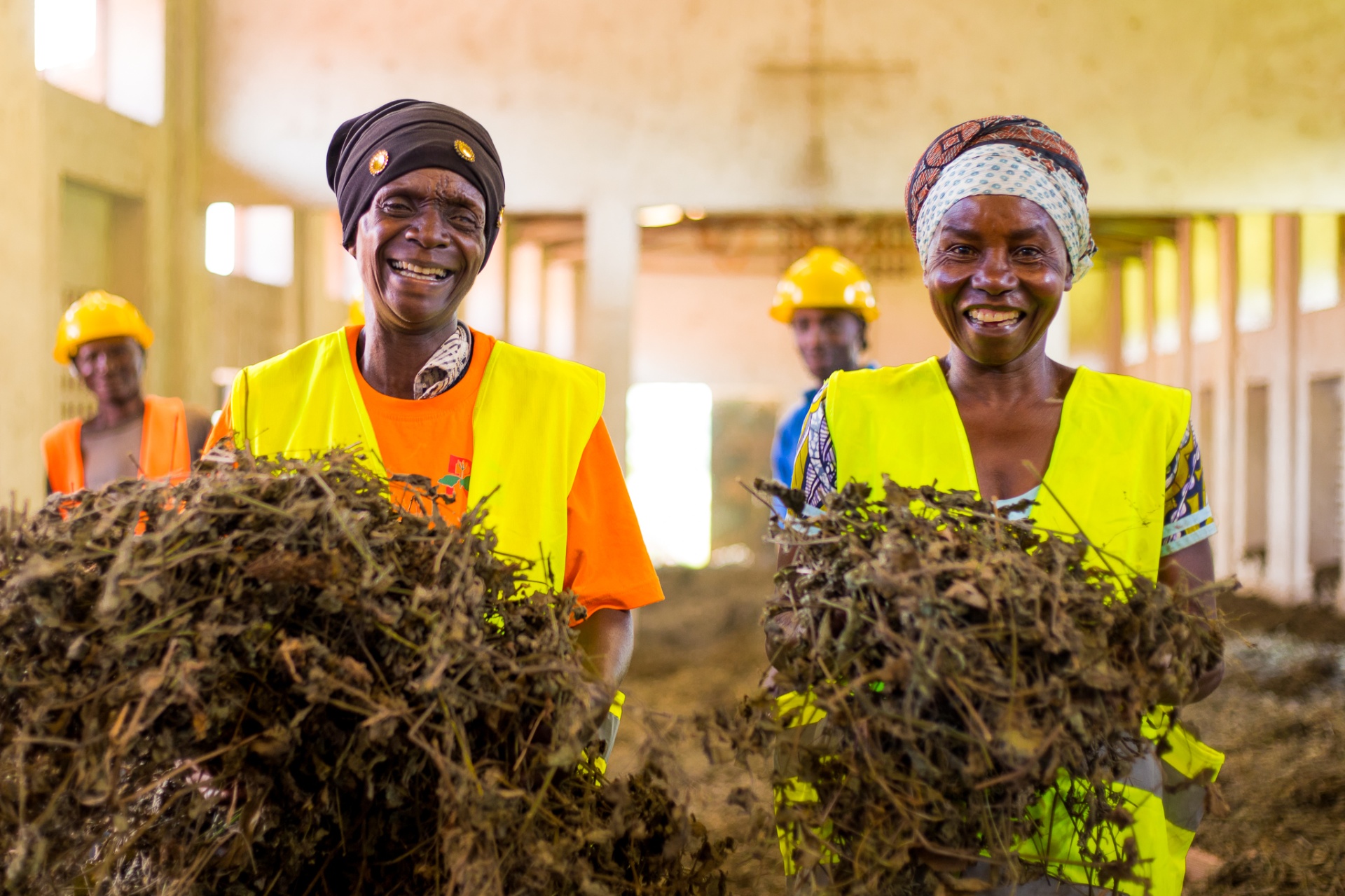
Once picked, the leaves are cured across 5,000 m² of drying space at Rugofarm's facility. Reducing moisture ahead of steam distillation is a standard step in patchouli production, one that preserves the aromatic compounds before they are drawn out through extraction.

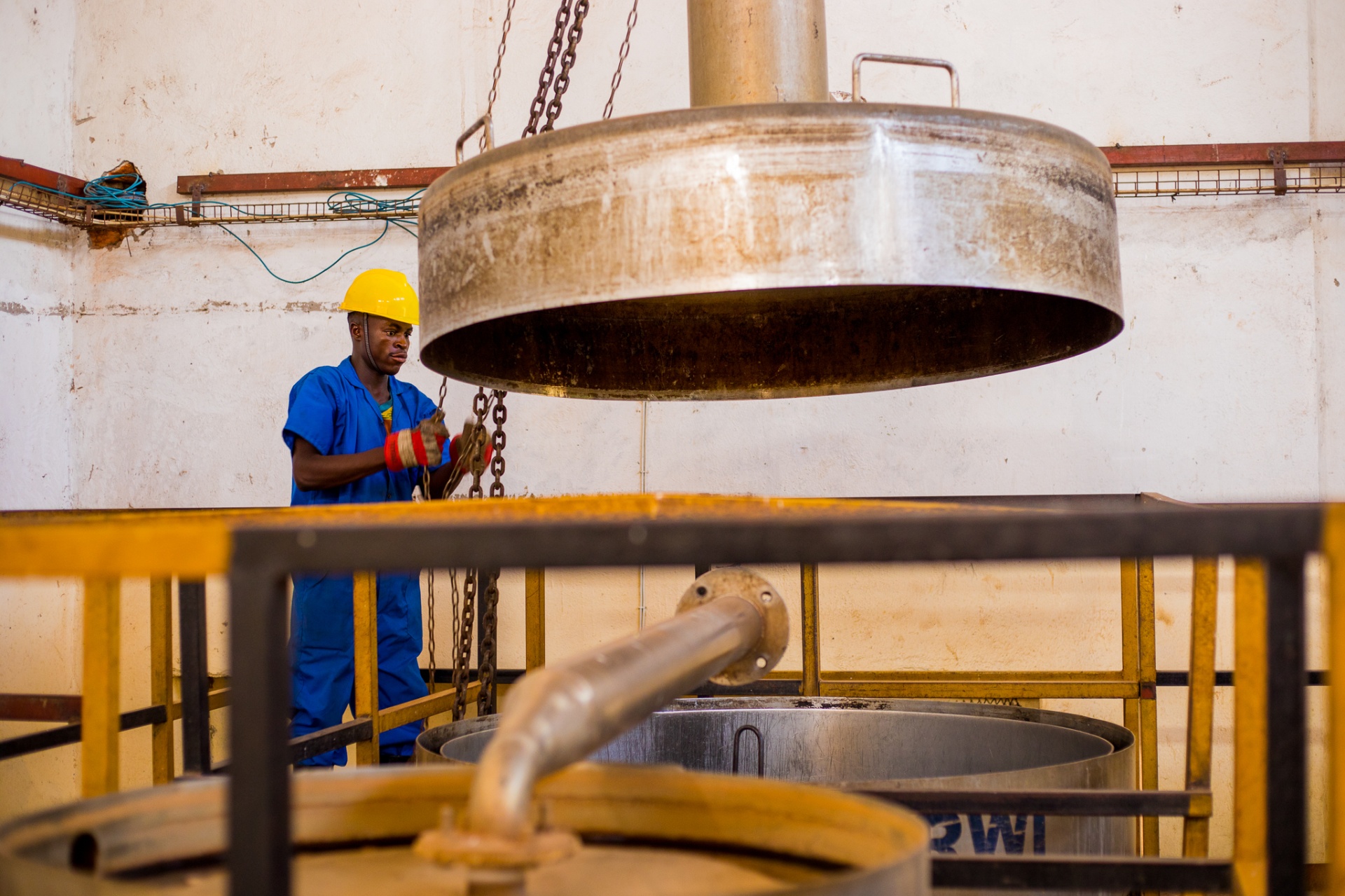
A Rugofarm operator working the stainless steel distillation vats at the Cibitoke facility
3. Distill

At Rugofarm's own facility, the dried leaves are steam-distilled in stainless steel vats to extract the oil. The distillation unit runs three stills with a combined capacity of 7,500 litres, fed by a dedicated steam boiler inside a purpose-built 200 m² factory.

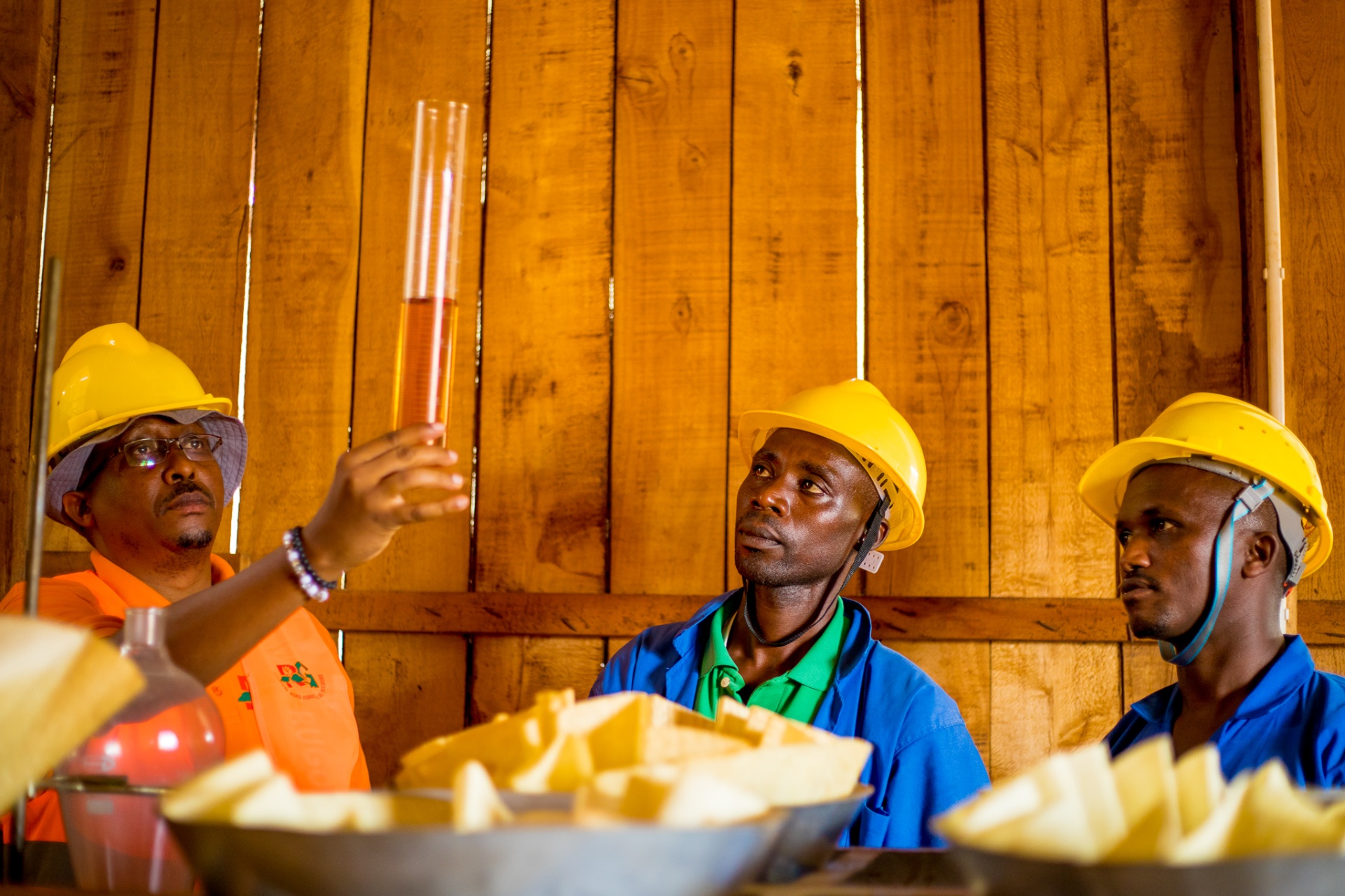
Rugofarm team inspecting a cylinder of freshly distilled amber patchouli essential oil
4. The Oil

The result is an oil trusted by perfumers worldwide. A cornerstone of fine fragrance, patchouli is equally valued in cosmetics as a natural fixative, and in aromatherapy for its grounding, calming character. Each bottle carries the story of the hills, the families, and the craftsmanship behind it.

“We simply can't do without Rugofarm's patchouli anymore.”

ASTIER DEMAREST, FRANCE 
III.Impact

Certified Impact

1,170
farmers
356
women farmers
26
production zones across Cibitoke and Bubanza provinces
Fair for Life
certified by ECOCERT
Two women farmers smiling while carrying bundles of dried patchouli at the Rugofarm facility

Fair Pay, Real Impact

Growing patchouli with Rugofarm means a meaningfully better income for farming families across Cibitoke and Bubanza, part of why the network has grown to over a thousand certified producers.

Full Traceability

Every batch is traceable from field to finished product, so buyers can tell their own clients exactly where their oil came from. We're digitalizing our tracking systems as part of our organic certification process, for even greater transparency across the value chain.